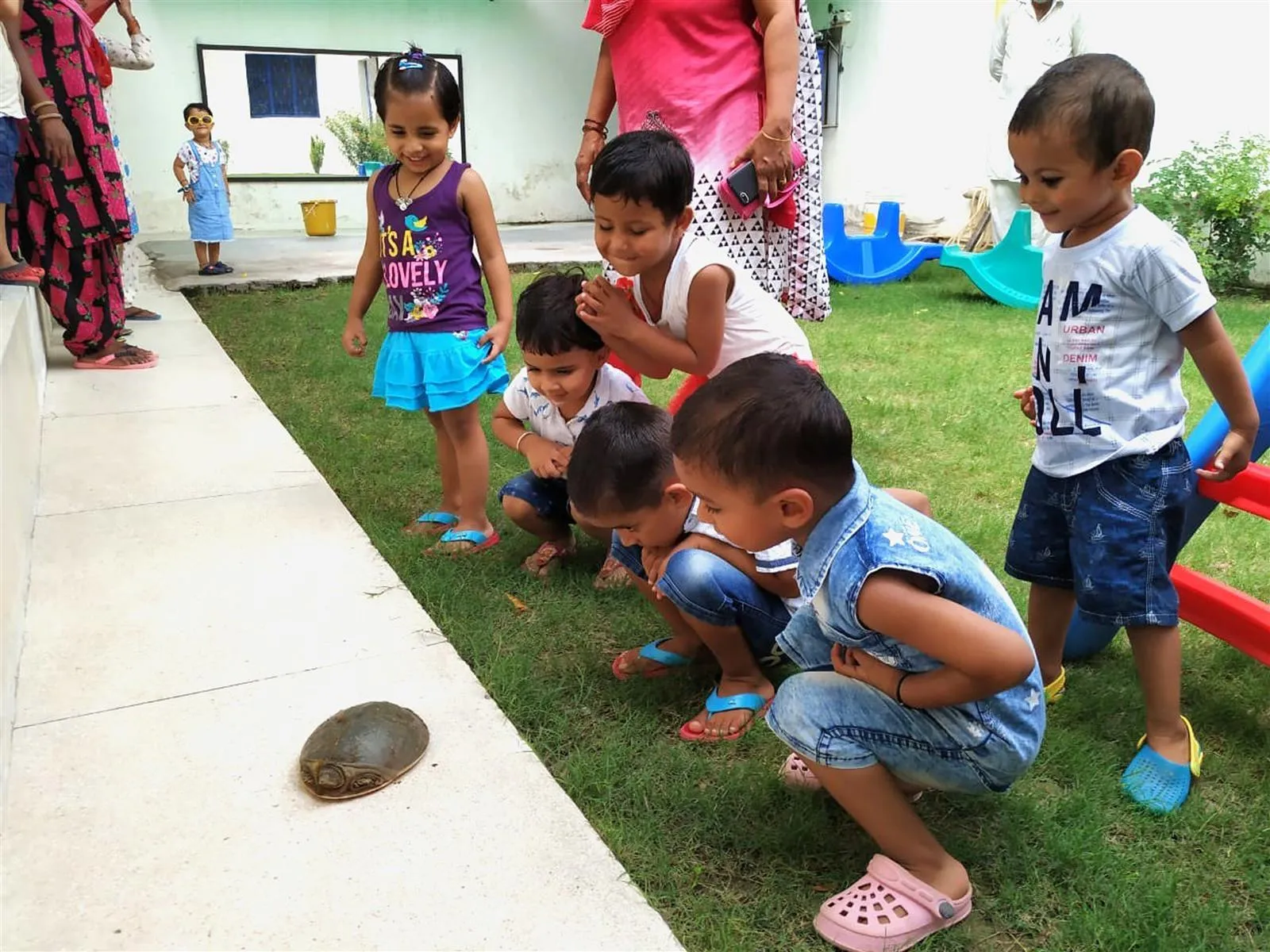
A calm, predictable rhythm is the quiet foundation of early years learning. When children know what comes next, their bodies relax, their attention settles, and they are ready to participate. At The JB School, our day follows a simple flow that repeats each week so every child feels safe and confident.
We begin with a warm welcome and a short circle time. This is where we greet one another, share a thought for the day, and get ready to learn. Next comes a focused learning block for language or numbers. After that, children move, play, and explore. This balance of structure and movement helps them stay engaged without feeling rushed.
Predictable routines also support independence. Children learn small habits like keeping a lunch box in the right place, tidying up learning corners, and waiting their turn during activities. These everyday steps might look simple, but they build patience, self control, and a sense of responsibility.
Teachers use calm cues for transitions, such as a song or a short countdown, so children shift from one activity to the next without stress. These small signals reduce anxiety and help children stay regulated throughout the day. Over time, children begin to manage transitions on their own, which builds confidence.
Here is what a calm routine offers a young learner:
- Security: children feel safe because the day is familiar.
- Focus: fewer surprises mean better attention during learning time.
- Confidence: children know they can manage classroom steps on their own.
- Joy: predictable rhythms leave space for laughter and curiosity.
At home, families can mirror this approach with small routines like a set bedtime, a gentle morning start, and a quiet reading time after school. Consistency does not mean strictness. It simply means children can rely on a rhythm that supports them.
When routines are steady, learning grows naturally. Children feel seen, calm, and ready to explore new ideas. That is why we keep our daily schedule gentle, clear, and designed for early years needs.