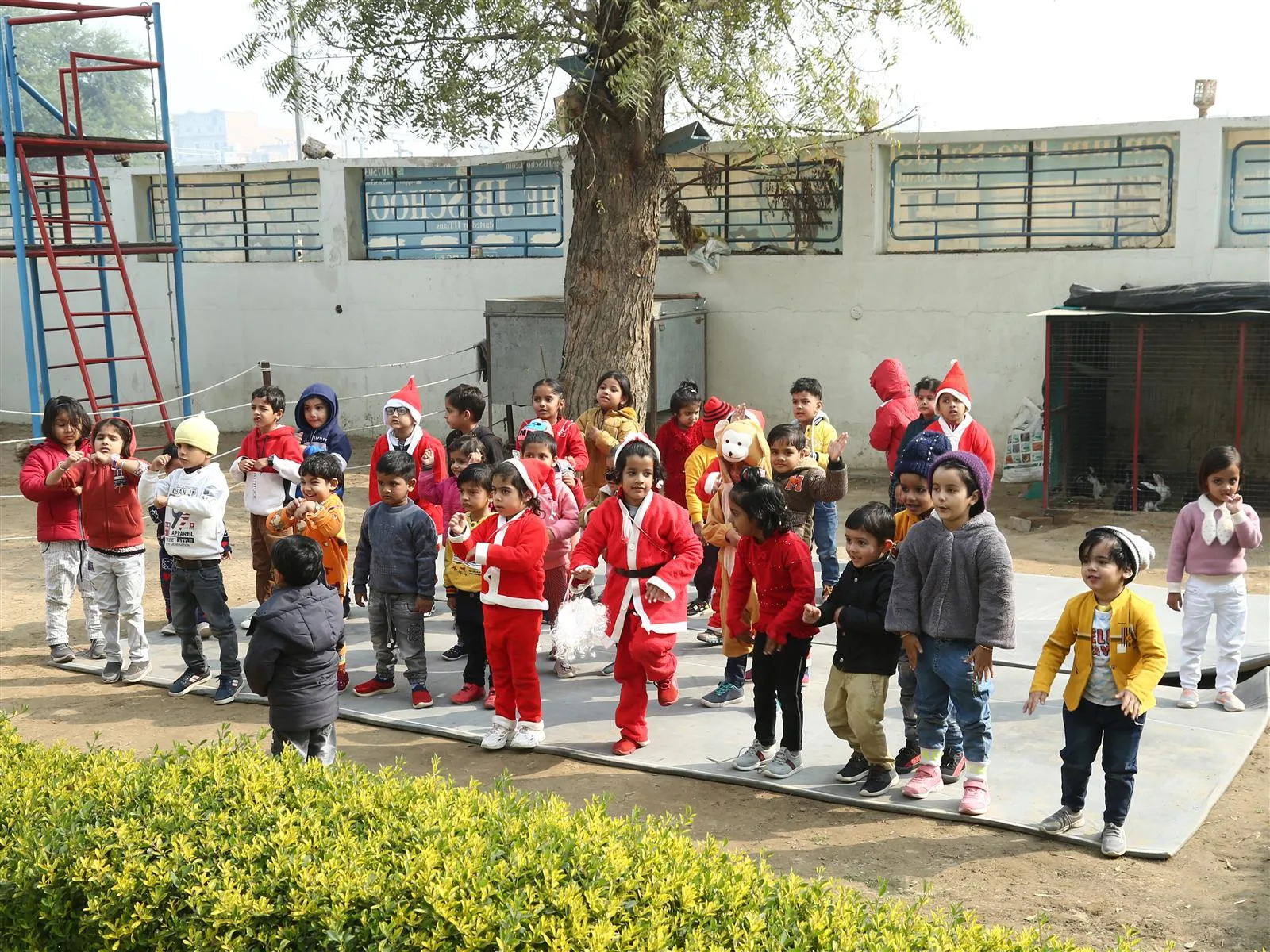
In the early years, routine is not about making children rigid. It is about making the day feel understandable. When children know what comes next, they do not need to spend the whole morning guessing. They can settle into the classroom, notice their teacher’s instructions, and join activities with more confidence.
At school, this often starts with the simplest parts of the day. A warm welcome, a place to keep belongings, a regular start to circle time, and familiar transitions between activities tell children, "You are safe here, and this day makes sense." That feeling matters far more than adults sometimes realise.
Predictable routines also support behaviour in a positive way. Young children are still learning how to wait, listen, move from one activity to another, and cope with small frustrations. When transitions are handled consistently, children do not have to relearn expectations every hour. That lowers stress and gives teachers more space to teach gently instead of constantly correcting.
Calm learning grows from this kind of environment. A child who has settled into the day is more likely to notice sounds in words, count objects carefully, or stay with an activity for a little longer. This does not mean every day is silent or perfectly orderly. Early years classrooms should still feel lively, active, and warm. The difference is that the movement has a rhythm to it.
Routine also helps children become more independent. Simple habits like greeting the teacher, putting away a bag, washing hands, sitting for a short group activity, and moving to play stations all build confidence. These are small achievements, but they are important. Children start to feel, "I know how school works. I can do this."
Families can support this at home without copying the whole school day. A regular morning wake-up, a calm goodbye routine, and predictable bedtime habits can make a real difference. When home and school both feel steady, children adjust more comfortably.
If you are planning for school readiness, the goal is not to create pressure. It is to create rhythm. That is one reason our programmes and admissions guidance put so much focus on settling, daily habits, and calm transitions. These are not extras. They are part of how early learning takes root.